
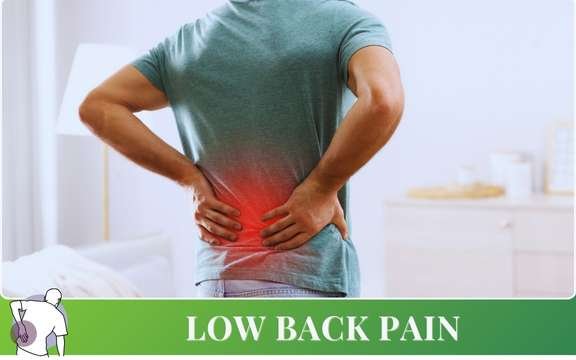
Back Pain
Back pain is rarely a stand-alone condition. From an osteopathic and biomechanical perspective, it usually reflects deeper imbalances involving the spine, pelvis, muscles, fascia, and nervous system. Factors such as prolonged sitting, poor posture, repetitive strain, improper lifting, emotional stress, and lifestyle habits can alter normal spinal alignment and movement patterns. Over time, these disruptions place excessive load on specific structures, leading to pain, stiffness, restricted mobility, and frequent recurrences.
Common Conditions
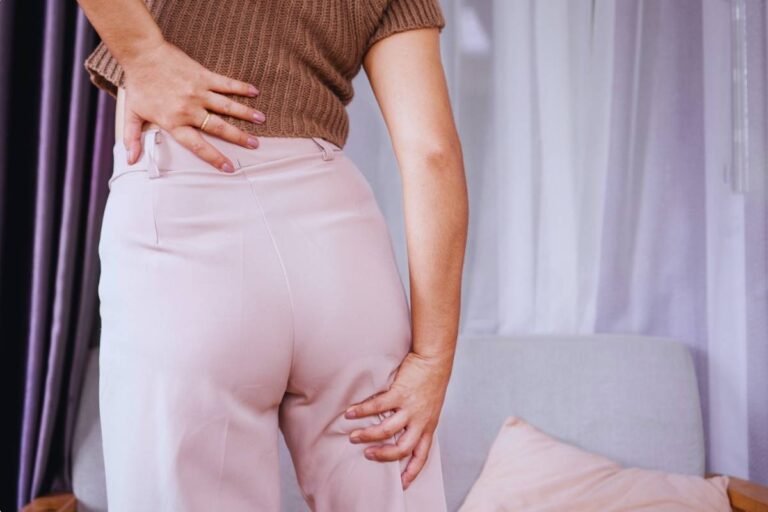
Lower back pain is rarely an isolated issue. From an osteopathic perspective, it often reflects underlying musculoskeletal and neurological imbalances involving the lumbar spine, pelvis, muscles, fascia, and surrounding joints. Prolonged sitting, poor posture, repetitive strain, injury, emotional stress, and lifestyle factors can all disrupt normal spinal mechanics, leading to pain, stiffness, reduced mobility, and recurring flare-ups.
Lower back pain may present as a dull ache, sharp pain, stiffness, muscle spasm, or pain radiating into the hips or legs. When the body compensates for imbalance, strain increases on nearby structures, which can worsen symptoms over time if the root cause is not addressed.
Osteopathic View of Treatment at IPMH
At the Institute of Physical & Mental Health (IPMH), we focus on treating the root cause rather than masking symptoms. Osteopathy views the body as an integrated system where structure, movement, and nervous system function are closely connected.
- Improve spinal and joint mobility
- Release muscle and fascial tension
- Restore postural and structural alignment
- Reduce pain, stiffness, and inflammation
- Support long-term recovery and prevent recurrence
By addressing mechanical stress, movement restriction, and nervous system overload together, osteopathic care helps restore balance, improve function, and support overall physical and mental wellbeing.
What is Sciatic Pain?
Sciatic pain is nerve-related pain caused by irritation or compression of the sciatic nerve or its nerve roots in the lower spine. It typically radiates from the lower back down the buttock and leg, often with tingling, numbness or burning sensations.
More Common Causes
- Disc herniation, bulging or degeneration
- Joint or pelvic misalignment
- Structural restriction or stiffness in lower back/spine.
- Muscle tension, especially in hip/glute/piriformis area
How Osteopathy Works for Sciatic Pain at IPMH
1. Thorough evaluation of spine alignment, pelvis mechanics, posture, joint movement and muscle balance.
2. Manual Techniques/Soft tissue release and Joint mobilization to improve mobility and ease nerve compression and release Dura matter with the Use of Spine Decompression (MT-Core and FD cox) to deload the nerve compression
3. To add stretches and strengthening exercises for core, hips and lower back. Postural and ergonomic advice to reduce strain and prevent recurrence.
Why IPMH is One of the Best Osteopathy Clinics
- Experienced osteopaths with holistic expertise
- Integrated physical & mental health approach
- Gentle, safe, and evidence-based techniques
- Patient-centric and root-cause focused care
- Long-term relief, not temporary pain masking.
Spondylolisthesis is a spinal condition in which one vertebra slips forward over the vertebra below it, most commonly in the lumbar spine. This slippage can alter spinal alignment and load distribution, leading to lower back pain, stiffness, postural changes, and reduced spinal stability. In more advanced cases, it may also cause nerve-related symptoms such as leg pain, tingling, or weakness.
More Common Causes
- Age-related degeneration of spinal joints and discs
- Stress fractures of the vertebra (pars defect)
- Repetitive strain or overuse injuries
- Poor posture or core instability
- Trauma or previous spinal injury
Osteopathic Support at IPMH
Osteopathy focuses on supporting movement, reducing strain around the affected spinal segment, and improving overall spinal and pelvic function to help manage symptoms and maintain daily activity levels.
Muscle spasms are sudden, involuntary contractions of muscles, commonly affecting the lower back due to overuse, poor posture, spinal imbalance, nerve irritation, or stress. These spasms reduce blood flow, restrict movement, and create significant pain and stiffness. If unresolved, they can lead to recurring episodes and chronic discomfort.
At IPMH, muscle spasms are treated by addressing both the local muscular tension and the underlying mechanical or neurological cause.
1. Osteopathy helps restore spinal and pelvic alignment and reduce mechanical strain.
2. Laser therapy reduces inflammation and promotes tissue healing at a cellular level.
3. Matrix therapy improves circulation and relaxes deeply contracted muscles.
4. Radial shockwave therapy is used when spasms are chronic or associated with trigger points, helping to break pain cycles and restore normal muscle function.
Lumbar radiculopathy occurs when a nerve root in the lower spine becomes irritated or compressed. This results in nerve-related pain that often travels from the lower back into the buttock, thigh, or leg. Symptoms may include sharp or burning pain, tingling, numbness, or muscle weakness, depending on the nerve involved.
More Common Causes
- Disc bulge or disc herniation
- Degenerative disc disease
- Narrowing of spinal or nerve exit spaces (foraminal stenosis)
- Joint dysfunction or spinal stiffness
- Inflammation or mechanical stress on nerve roots
Osteopathic Support at IPMH
Osteopathic care aims to reduce mechanical stress on the spine, improve mobility, and support surrounding structures, helping to ease symptoms and promote functional recovery.
Spinal stiffness occurs when joints, muscles, fascia, and connective tissues lose their normal elasticity and movement. This may develop due to prolonged sitting, poor posture, aging, injury, or degenerative changes. Reduced spinal mobility affects posture, breathing, nerve function, and overall body mechanics, often leading to pain and compensatory strain elsewhere.
Treatment at IPMH focuses on restoring normal spinal motion and tissue flexibility.
1. Osteopathy improves joint mobility and spinal mechanics.
2. Matrix therapy enhances neuromuscular coordination and circulation.
3. Laser therapy supports soft tissue healing and reduces inflammation.
4. Radial shockwave therapy may be applied when stiffness is associated with long-standing soft tissue restriction or fibrosis.
Together, these approaches help restore movement, reduce stiffness, and improve functional mobility.
Spinal stenosis refers to narrowing of the spinal canal or nerve exit openings, most commonly in the lumbar spine. This narrowing can compress nerves, leading to back pain, leg pain, heaviness, numbness, or weakness—especially during walking or standing. It is often associated with age-related degeneration, disc changes, or arthritic joint thickening.
At IPMH, treatment focuses on reducing mechanical compression, improving spinal adaptability, and easing nerve irritation rather than forceful correction.
1. Osteopathy helps optimise spinal alignment, joint movement, and posture.
2. Laser therapy reduces inflammation around irritated nerves.
3. Matrix therapy supports neuromuscular balance and improves movement efficiency.s.
4. Radial shockwave therapy may be used to address associated muscular tightness contributing to nerve compression.
These combined therapies aim to improve walking tolerance, reduce pain, and enhance daily function.
Lumbar facet joint arthritis is a degenerative condition affecting the small joints at the back of the spine. It causes localized lower back pain, stiffness—especially in the morning—and reduced flexibility. Over time, arthritic changes can alter spinal mechanics and increase strain on surrounding muscles and discs.
Treatment at IPMH focuses on managing inflammation, restoring joint mobility, and reducing compensatory muscle tension.
1. Osteopathy gently mobilises the spine and improves joint function.
2. Laser therapy helps reduce inflammation and joint pain.
3. Matrix therapy enhances circulation and muscular support around arthritic joints.
4. Radial shockwave therapy may be used to treat chronic soft tissue pain associated with long-standing arthritis.
This integrated approach helps reduce stiffness, improve mobility, and support long-term spinal health.
Lumbar strain is an injury involving overstretching or tearing of the muscles and ligaments in the lower back. It commonly occurs due to heavy weight lifting, sudden pulling or twisting movements, improper lifting technique, or unexpected jerks. This results in local inflammation, muscle spasm, pain, stiffness, and difficulty bending or standing upright. If not managed properly, repeated strain can lead to chronic lower back pain and reduced spinal stability.
At IPMH, treatment focuses on reducing tissue inflammation, relieving muscle spasm, and restoring normal movement patterns.
1. Osteopathy helps correct spinal and pelvic mechanics, reducing excessive load on injured tissues.
2. Laser therapy accelerates muscle and ligament healing while reducing pain and inflammation.
3. Matrix therapy improves circulation, relaxes strained muscles, and supports neuromuscular recovery.
4.Radial shockwave therapy is used in persistent or recurrent strains to stimulate tissue repair and break pain cycles.
This integrated approach supports faster recovery, restores strength and mobility, and helps prevent re-injury.
Back pain during pregnancy and after childbirth is common and often results from a combination of hormonal changes, postural adaptations, pelvic instability, and muscular imbalance. During pregnancy, the growing abdomen shifts the body’s centre of gravity, increasing the curve of the lower back and placing added strain on the spine, pelvis, and surrounding muscles. Hormones such as relaxin further increase ligament laxity, which can reduce joint stability and contribute to pain.
Post-partum back pain may persist or develop after delivery due to weakened core muscles, pelvic floor changes, residual ligament laxity, breastfeeding posture, lifting and carrying the baby, and physical strain during childbirth. Pain may be felt in the lower back, hips, sacroiliac joints, or upper back and shoulders.
Treatment at IPMH
1. Osteopathic care focuses on gentle, pregnancy-safe and post-natal-appropriate techniques to improve spinal and pelvic alignment, restore mobility, and reduce muscular tension.
2. Matrix therapy may be used to support circulation, muscle relaxation, and neuromuscular balance during pregnancy and recovery.
3. Magneto (PEMF) therapy can be considered where appropriate to support tissue comfort and healing, following safety guidelines.
4. Laser therapy may be introduced post-partum, when clinically suitable, to reduce pain and inflammation in strained tissues.
All treatment plans are individualised and adapted to the stage of pregnancy or post-natal recovery, with a strong emphasis on safety, comfort, and long-term musculoskeletal health.
Conditions
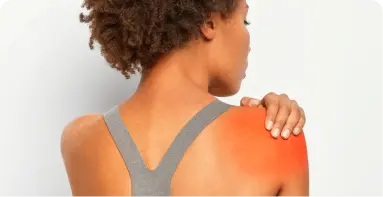
Frozen Shoulder
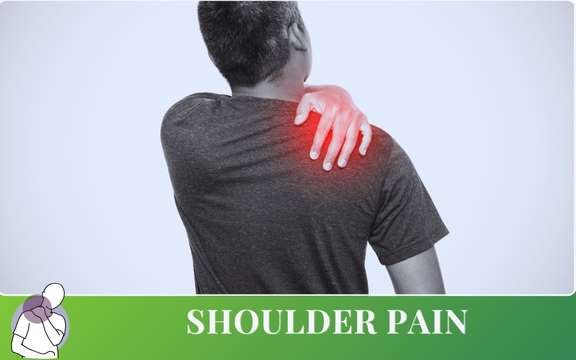
Adhesive Capsulitis or Frozen Shoulder is mainly characterized by pain and stiffness in the shoulder joint. The causative factor is usually
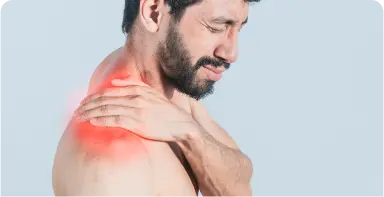
Frozen Shoulder
Adhesive Capsulitis or Frozen Shoulder is mainly characterized by pain and stiffness in the shoulder joint. The causative factor is usually
How to manage
- Relieve pain & inflammation using Class 4 Laser to calm nerves and improve blood flow
- Repair damaged tissue with Shockwave & Matrix Rhythm Therapy to rebuild healthy fibers
- Restore joint movement through Osteopathic techniques that release stiffness and adhesions
- Prevent recurrence by correcting posture, nerve flow, and shoulder movement coordination
Shoulder problems heal best when addressed early. Delaying treatment can prolong pain and stiffness. Sudden or unexplained left-side shoulder pain may be cardiac in origin—urgent medical consultation is advised.
Meet Our Experts
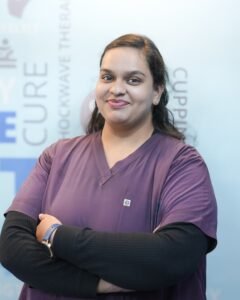
Dr. Sanjeevani Joshi(PT)
Osteopath
- B.P.Th (Bachelor of Physiotherapy)
- Fellowship in Osteopathy and Manipulative Technique (FOMT), Dehradun
- Diploma in Osteopathy, Ontario
- REASET Approach
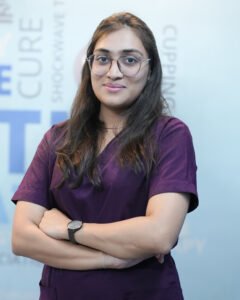
Dr. AMISHA SHAH (PT)
Osteopath
- B.P.Th (Bachelor of Physiotherapy)
- Fellowship in Osteopathy and Manipulative Technique (FOMT), Dehradun
- Diploma in Osteopathy, Ontario
- REASET Approach
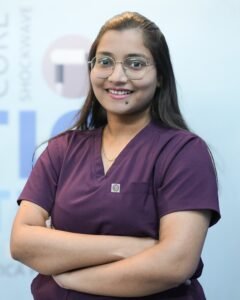
Dr. Srushti Said(PT)
Consultant Physiotherapist
- B.P.Th (Bachelor of Physiotherapy)
- Fellowship in Osteopathy and Manipulative Technique (FOMT), Dehradun
- Fellowship in Neuromuscular Skeletal Techniques (FNMT), Dehradun
- Cranial and Visceral Osteopathy
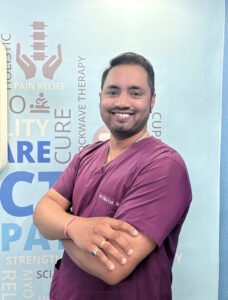
Dr. Vinayak Shinde(PT)
Consultant Physiotherapist
- B.P.Th (Bachelor of Physiotherapy)
- Fellowship in Osteopathy and Manipulative Technique (FOMT), Dehradun
- REASET Approach
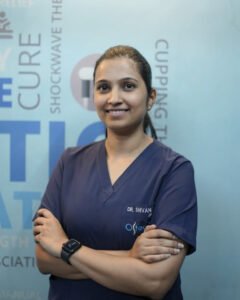
Dr. Shivani Neema(PT)
Osteopath
- B.P.Th (Bachelor of Physiotherapy)
- Diploma in Osteopathy, Ontario
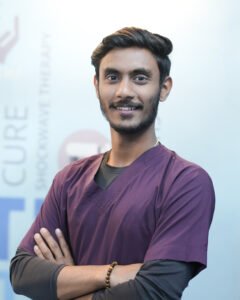
Dr. Vijay Thite(PT)
Physiotherapist
- B.P.Th (Bachelor of Physiotherapy)
- Basic Spine – I
- REASET Approach
- Cranial and Visceral Osteopathy
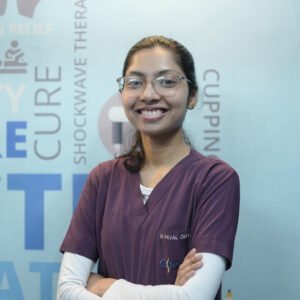
Dr. Payal Chavan(PT)
Physiotherapist
- B.P.Th (Bachelor of Physiotherapy)
- REASET Approach
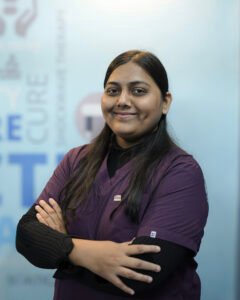
Dr. Anjali Jadhav(PT)
Physiotherapist
- B.P.Th (Bachelor of Physiotherapy)
- Certified in Advanced Bio-mechanical Corrections
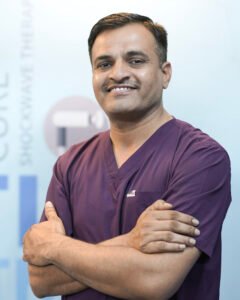
Dr. Harendra Singh Chouhan(PT)
Physiotherapist
- B.P.Th (Bachelor of Physiotherapy)
- Fellowship in Neuromuscular Skeletal Technique(Dheradun)
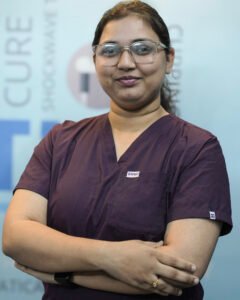
Dr. Vaishnavi Kadam(PT)
Physiotherapist
- B.P.Th (Bachelor of Physiotherapy)
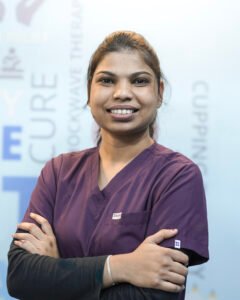
Dr. Sonali Dhore(PT)
Physiotherapist
- M.P.Th (Masters in Physiotherapy - Sports and Rehabilitation)