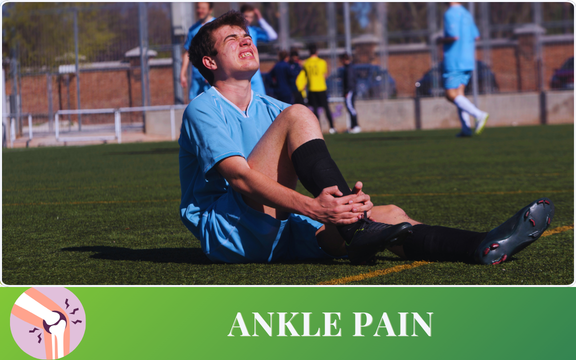
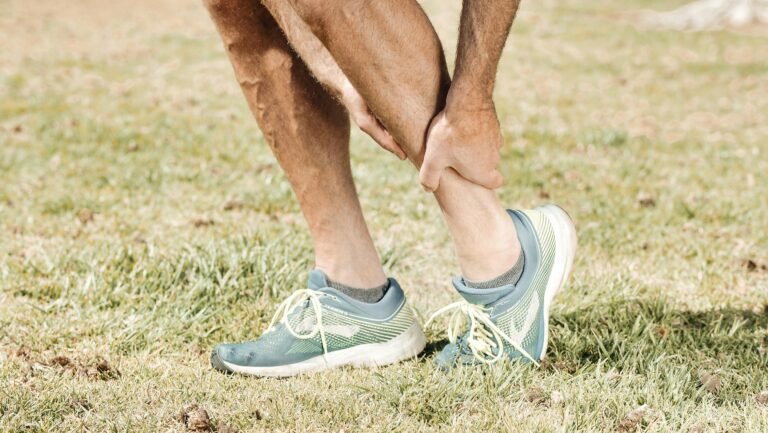
The ankle joint plays a crucial role in balance, shock absorption, and forward movement of the body. Because it bears the body’s weight with every step and adapts to uneven surfaces, it is highly vulnerable to strain and instability.
Repeated stress, sudden twisting, poor footwear, or previous injuries can disrupt the joint’s stability, leading to pain, swelling, or a feeling of weakness—especially during walking, running, or standing for long periods.
A heel spur is a scientific phenomenon where the body grows new bone in response to chronic stress. At IPMH Clinic, we use Osteopathy and Radial Shockwave Therapy to address both the bone growth and the mechanical cause.
The Science: Why Spurs Form
Heel spurs develop through a process called Reactive Ossification. According to Wolff’s Law, bone adapts to the loads placed upon it. When the plantar fascia (the tissue under your foot) is under constant, high-tension “pulling,” it creates micro-tears at the attachment point on the heel bone. To prevent the tissue from tearing away, the body deposits calcium to “reinforce” the area, eventually forming a bony hook or spur.
How Radial Shockwave Therapy Works
While traditional treatments often fail, Radial Shockwave Therapy at IPMH Clinic is highly effective because it works at a cellular level:
Mechanical Fragmentation: The high-energy acoustic waves create “cavitation bubbles” that help break down the disorganized calcium deposits (the spur).
Angiogenesis: It triggers the growth of new blood vessels, bringing fresh oxygen to poorly circulated heel tissues to jump-start healing.
Pain Modulation: It depletes Substance P, the chemical responsible for transmitting pain, providing immediate relief for chronic sufferers.
How Osteopathy Works
Decompressing the Posterior Chain: We release tension in the calves and hamstrings to stop the constant “tugging” on the heel bone.
Restoring Foot Mechanics: We mobilize the 26 bones of the foot to ensure proper weight distribution, so your heel doesn’t take the full impact of every step.
Gait Correction: By aligning the ankle and pelvis, Osteopathy removes the mechanical stress that caused the calcium buildup in the first place.
Osteopathy at IPMH Clinic ensures the spur doesn’t return by fixing the biomechanical “pull”:
A sprain occurs when the ankle twists beyond its normal range, overstretching the soft tissues. This results in immediate pain, swelling, and “pitting” edema.
How Osteopathy Helps: We utilize gentle lymphatic drainage techniques to reduce swelling and manual therapy to ensure the talus (ankle bone) is correctly aligned for optimal healing.
Ligaments provide the “glue” for joint stability. Damage to the Anterior Talofibular Ligament (ATFL) can lead to chronic instability.
IPMH Clinic Approach: We focus on proprioceptive retraining—teaching your brain to better communicate with your ankle—to increase stability and lower the risk of re-injury.
Pain around the heel often stems from poor foot mechanics or tight posterior chain muscles (calves).
The Osteopathy Benefit: By releasing tight myofascial tissues and improving the articulation of the calcaneus (heel bone), IPMH Clinic helps redistribute pressure to decrease daily pain.
Past injuries that weren’t rehabilitated properly can lead to compensatory patterns and persistent stiffness.
The IPMH Solution: We look at the body as a whole. Your Osteopathy session will address not just the ankle, but how your knee and hip alignment might be contributing to long-term ankle dysfunction.
High-impact sports like running, football, or basketball put immense stress on the mortise joint of the ankle.
Performance Recovery: IPMH Clinic provides tailored rehabilitation plans that focus on explosive strength and flexibility, ensuring a safe and fast return to your sport.
Conditions
Frozen Shoulder
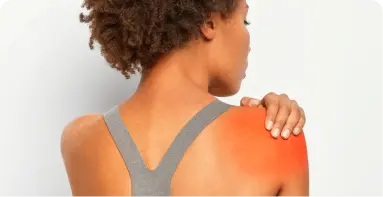
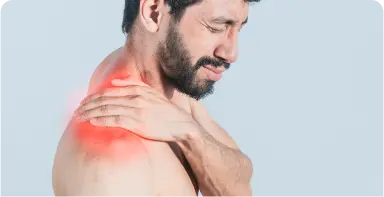
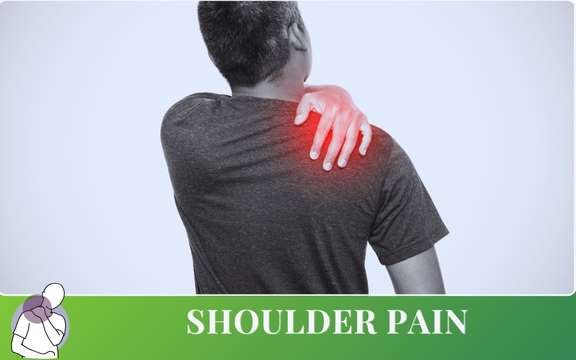
Adhesive Capsulitis or Frozen Shoulder is mainly characterized by pain and stiffness in the shoulder joint. The causative factor is usually
Relieve pain & inflammation using Class 4 Laser to calm nerves and improve blood flow
Repair damaged tissue with Shockwave & Matrix Rhythm Therapy to rebuild healthy fibers
Restore joint movement through Osteopathic techniques that release stiffness and adhesions
Prevent recurrence by correcting posture, nerve flow, and shoulder movement coordination
Shoulder problems heal best when addressed early. Delaying treatment can prolong pain and stiffness.
Sudden or unexplained left-side shoulder pain may be cardiac in origin—urgent medical consultation is advised.