
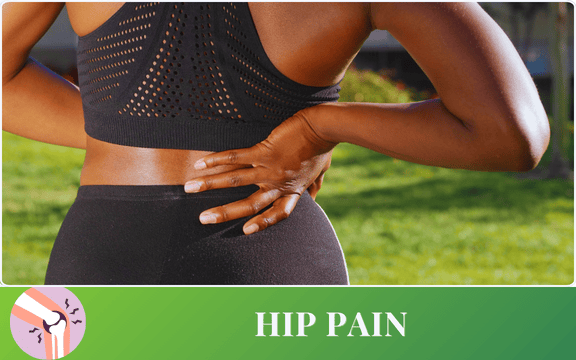
Hip Pain
The hip joint plays a vital role in weight transfer, balance, and movement of the body. Because it bears significant load during walking, sitting, and standing, even small imbalances in joint alignment, muscle strength, or movement patterns can lead to pain and stiffness.
Hip pain may arise gradually due to overuse or suddenly after injury, and it often worsens with prolonged sitting, walking, or rotational movements.
Common Conditions
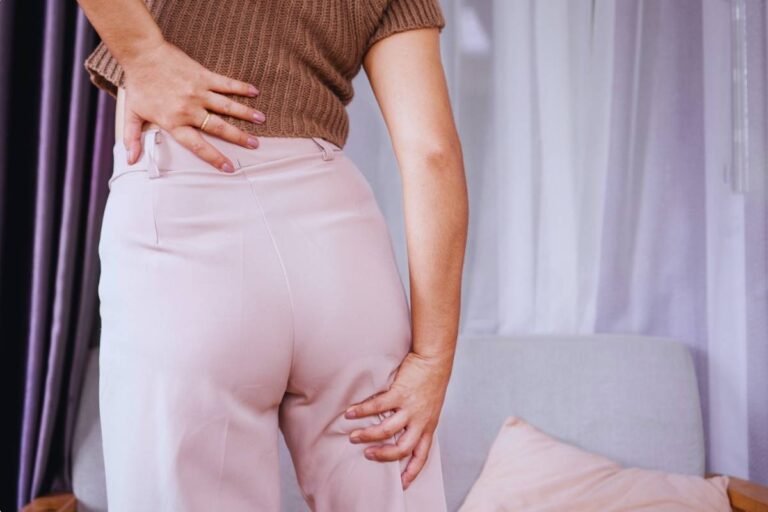
Hip osteoarthritis is not simply cartilage degeneration. From an osteopathic perspective, it reflects altered hip mechanics, muscle imbalance, pelvic asymmetry, gait changes, and abnormal load transmission through the spine and lower limb.
Osteopathy view of treatment on Hip OA
At Institute of Physical & Mental Health (IPMH), we focus on restoring movement, not just reducing pain. By –
- Improving hip joint mobility
- Reducing pain, stiffness, and movement restriction
- Releasing tight muscles and deep fascia with myofascial techniques
- Correcting pelvic alignment and gait mechanics
- Strengthening weak hip and core muscles using Functional Electrical Stimulation (FES)
- Enhancing long-term mobility and quality of life
Rheumatoid arthritis of the hip is a systemic inflammatory condition that affects joint integrity, muscle strength, posture, and functional movement patterns, leading to stiffness, pain, and reduced independence.
Osteopathy view of treatment on Hip RA:
- Reducing stiffness and pain safely
- Improving surrounding soft tissue flexibility
- Enhancing joint mechanics to reduce stress
- Supporting posture and energy-efficient movement
- Maintaining muscle strength with controlled FES
- Promoting functional independence and joint protection
Early-stage avascular necrosis occurs when blood supply to the femoral head is compromised, leading to pain, stiffness, and altered movement before structural collapse develops.
Osteopathy view of treatment on Early AVN:
At Institute of Physical & Mental Health (IPMH), we aim to preserve joint health and delay progression. By –
- Improving hip mobility without joint overload
- Reducing muscle guarding and compensatory strain
- Optimizing pelvic and spinal biomechanics
- Correcting gait and weight-bearing patterns
- Strengthening supportive muscles using FES
- Supporting functional movement and daily activity tolerance
Groin pain often results from muscle imbalance, pelvic instability, faulty movement patterns, or sudden overload rather than an isolated adductor injury.
Osteopathy view of treatment on Groin Pain:
At Institute of Physical & Mental Health (IPMH), we treat the cause of strain, not just symptoms. By –
- Reducing pain and muscle spasm
- Releasing tight adductors and fascial restrictions
- Restoring hip and pelvic stability
- Correcting movement and loading patterns
- Strengthening weak stabilizers using FES
- Preventing recurrence and improving functional performance
When Hip Muscles Irritate the Nerve
Piriformis syndrome involves irritation of the sciatic nerve due to tight hip muscles, pelvic imbalance, or altered hip-spine mechanics, often mimicking low back or leg pain.
Osteopathy view of treatment on Piriformis Syndrome
At Institute of Physical & Mental Health (IPMH), we address both nerve irritation and biomechanical dysfunction. By –
- Releasing piriformis and deep hip muscles
- Reducing nerve compression and referred pain
- Improving pelvic and lumbar alignment
- Enhancing hip mobility and control
- Strengthening core and hip stabilizers using FES
- Restoring pain-free sitting, walking, and movement
Sacroiliac (SI) joint dysfunction disrupts load transfer between the spine and lower limbs, leading to hip, groin, or low back pain due to poor joint mechanics and muscle imbalance.
Osteopathy view of treatment on SI Joint Dysfunction
At Institute of Physical & Mental Health (IPMH), we restore balance and stability. By –
- Improving SI joint mobility and alignment
- Reducing pain and muscular tension
- Correcting pelvic asymmetry
- Enhancing coordination between spine and hips
- Strengthening stabilizing muscles with FES
- Supporting long-term posture and movement efficiency
Recovery after Total Hip Replacement (THR) or hip fracture is not only about healing—it requires restoring strength, balance, coordination, and functional independence.
Osteopathy view of Post-Surgical Hip Rehabilitation
At Institute of Physical & Mental Health (IPMH), we focus on safe, functional recovery. By –
- Improving joint mobility and flexibility
- Reducing post-surgical pain and stiffness
- Restoring pelvic alignment and gait patterns
- Strengthening weak muscles using FES
- Enhancing balance and movement confidence
- Supporting return to daily activities and quality of life
Conditions
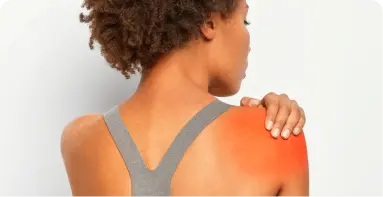
Frozen Shoulder
Adhesive Capsulitis or Frozen Shoulder is mainly characterized by pain and stiffness in the shoulder joint. The causative factor is usually
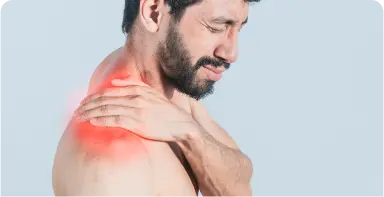
Frozen Shoulder
Adhesive Capsulitis or Frozen Shoulder is mainly characterized by pain and stiffness in the shoulder joint. The causative factor is usually
How to manage
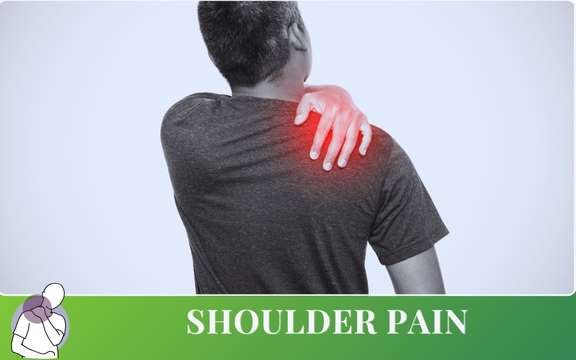
- Relieve pain & inflammation using Class 4 Laser to calm nerves and improve blood flow
- Repair damaged tissue with Shockwave & Matrix Rhythm Therapy to rebuild healthy fibers
- Restore joint movement through Osteopathic techniques that release stiffness and adhesions
- Prevent recurrence by correcting posture, nerve flow, and shoulder movement coordination
Shoulder problems heal best when addressed early. Delaying treatment can prolong pain and stiffness. Sudden or unexplained left-side shoulder pain may be cardiac in origin—urgent medical consultation is advised.
Meet Our Experts

Dr. Sanjeevani Joshi(PT)
Osteopath
- B.P.Th (Bachelor of Physiotherapy)
- Fellowship in Osteopathy and Manipulative Technique (FOMT), Dehradun
- Diploma in Osteopathy, Ontario
- REASET Approach

Dr. AMISHA SHAH (PT)
Osteopath
- B.P.Th (Bachelor of Physiotherapy)
- Fellowship in Osteopathy and Manipulative Technique (FOMT), Dehradun
- Diploma in Osteopathy, Ontario
- REASET Approach

Dr. Srushti Said(PT)
Consultant Physiotherapist
- B.P.Th (Bachelor of Physiotherapy)
- Fellowship in Osteopathy and Manipulative Technique (FOMT), Dehradun
- Fellowship in Neuromuscular Skeletal Techniques (FNMT), Dehradun
- Cranial and Visceral Osteopathy
Dr. Vinayak Shinde(PT)
Consultant Physiotherapist
- B.P.Th (Bachelor of Physiotherapy)
- Fellowship in Osteopathy and Manipulative Technique (FOMT), Dehradun
- REASET Approach

Dr. Shivani Neema(PT)
Osteopath
- B.P.Th (Bachelor of Physiotherapy)
- Diploma in Osteopathy, Ontario
Dr. Vijay Thite(PT)
Physiotherapist
- B.P.Th (Bachelor of Physiotherapy)
- Basic Spine – I
- REASET Approach
- Cranial and Visceral Osteopathy

Dr. Payal Chavan(PT)
Physiotherapist
- B.P.Th (Bachelor of Physiotherapy)
- REASET Approach

Dr. Anjali Jadhav(PT)
Physiotherapist
- B.P.Th (Bachelor of Physiotherapy)
- Certified in Advanced Bio-mechanical Corrections
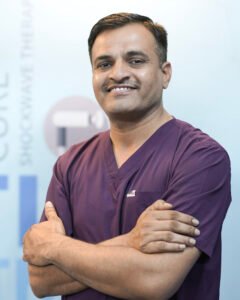
Dr. Harendra Singh Chouhan(PT)
Physiotherapist
- B.P.Th (Bachelor of Physiotherapy)
- Fellowship in Neuromuscular Skeletal Technique(Dheradun)

Dr. Vaishnavi Kadam(PT)
Physiotherapist
- B.P.Th (Bachelor of Physiotherapy)

Dr. Sonali Dhore(PT)
Physiotherapist
- M.P.Th (Masters in Physiotherapy - Sports and Rehabilitation)